Explore the latest trends in sustainable plastic packaging for bottles, focusing on environmental protection and innovation.
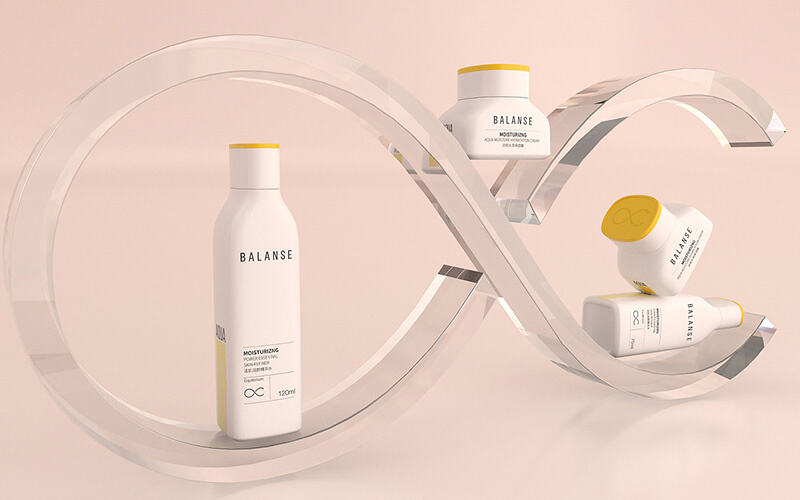
Each year, over 300 million tons of plastic packaging are produced globally, with beverage bottles accounting for 17%. Driven by the EU's "Plastics Strategy" and China's "dual Carbon" goals, the plastic packaging industry is undergoing a revolutionary transformation from a linear economy to a circular economy. This article analyzes the innovative breakthroughs of plastic packaging bottles in terms of materials, processes, and recycling systems in 2025.
I. Current Industry Challenges and the Necessity of Transformation
1. Environmental pressure data
Packaging bottles account for 38% of Marine plastic pollution (UNEP Report 2025)
The carbon footprint of traditional PET bottles reaches 2.7kg CO₂e/kg (LCA full-cycle calculation)
2. Tightening of policies and regulations
The mandatory proportion of recycled materials in the EU by 2030:65% for PET bottles and 50% for HDPE bottles
China's "Plastic Pollution Control Plan" : By 2025, the biodegradable substitution rate will reach 30%
Second, breakthroughs in material innovation technology
Commercialization of bio-based plastics
The purity of sugarcane-based PET has reached 99.3%, and its cost has decreased by 42% compared to 2018
The oxygen barrier property of PEF (polyethylene furanate) has been enhanced by 10 times, and mass production is scheduled for 2025
2. Chemical recovery technology
The monomer recovery rate of the enzymatic hydropolymerization process is over 95% (patented technology of Carbios Company)
Supercritical hydrolysis method for treating mixed waste plastics reduces carbon emissions by 67%
Iii. Green Innovation in Production Processes
Application of energy-saving technologies
The electromagnetic induction heating system saves 35% energy (compared with traditional resistance heating)
• Photovoltaic direct drive injection molding machine: The proportion of renewable energy has increased to 40%
2. Advanced Lightweight Design
• Nano-reinforcing technology: Wall thickness reduced to 0.12mm, strength increased by 20%
• Topology optimization algorithm: Material utilization rate increases by 18%, and waste rate is less than 0.5%
Iv. Construction of a Circular Economy System
1. Intelligent recycling system
• Reverse logistics blockchain platform: Traceability accuracy rate 99.7%
• German Green Dot System: Achieve closed-loop recycling of 92%PET bottles by 2025
2. High-value Applications of recycled materials
Food-grade rPET has a purity of up to 99.99% (EFSA certified)
• Cross-industry application in the automotive industry: Recycled plastics are used in the manufacturing of interior parts
V. Industry Benchmark Practice Cases
Case: Coca-Cola plant-based bottles
• Raw materials: 30% sugarcane-based MEG+ recycled PET
• Achievements: The carbon footprint per bottle has been reduced by 35%, and the global annual production has exceeded 5 billion bottles
• Technology: VGF vacuum casting molding process, bottle mouth accuracy ±0.02mm
Vi. Future Technological Evolution Directions
Key development areas from 2025 to 2030:
• Carbon dioxide to plastic technology: Carbon capture utilization rate > 85%
• Self-healing coating: Automatically repairs 0.1mm-sized microcracks
• Digital watermark traceability: The bottle body is embedded with an invisible identification code, which increases the sorting efficiency by three times
Conclusion: The sustainable development of plastic packaging has been transformed from a concept into a quantifiable technical system. Through material revolution, process innovation and the construction of a circular model, the industry is expected to achieve carbon peaking before 2030 and reshape a new ecosystem of green packaging.

Guangzhou Zhoucheng Plastic Products Co., Ltd.
Copyright © Guangzhou Zhoucheng Plastic Products Co., Ltd. All Rights Reserved | Blog | Privacy Policy
 EN
EN